Why Does Castellón’s Magdalena Festival Never Take Place on the Same Dates?
Why Does Castellón’s Magdalena Festival Never Take Place on the Same Dates?
Castellón’s Feria de la Magdalena changes dates every year. Do you know why? What determines when it’s held? At Servitoro, we’ve got the answers.
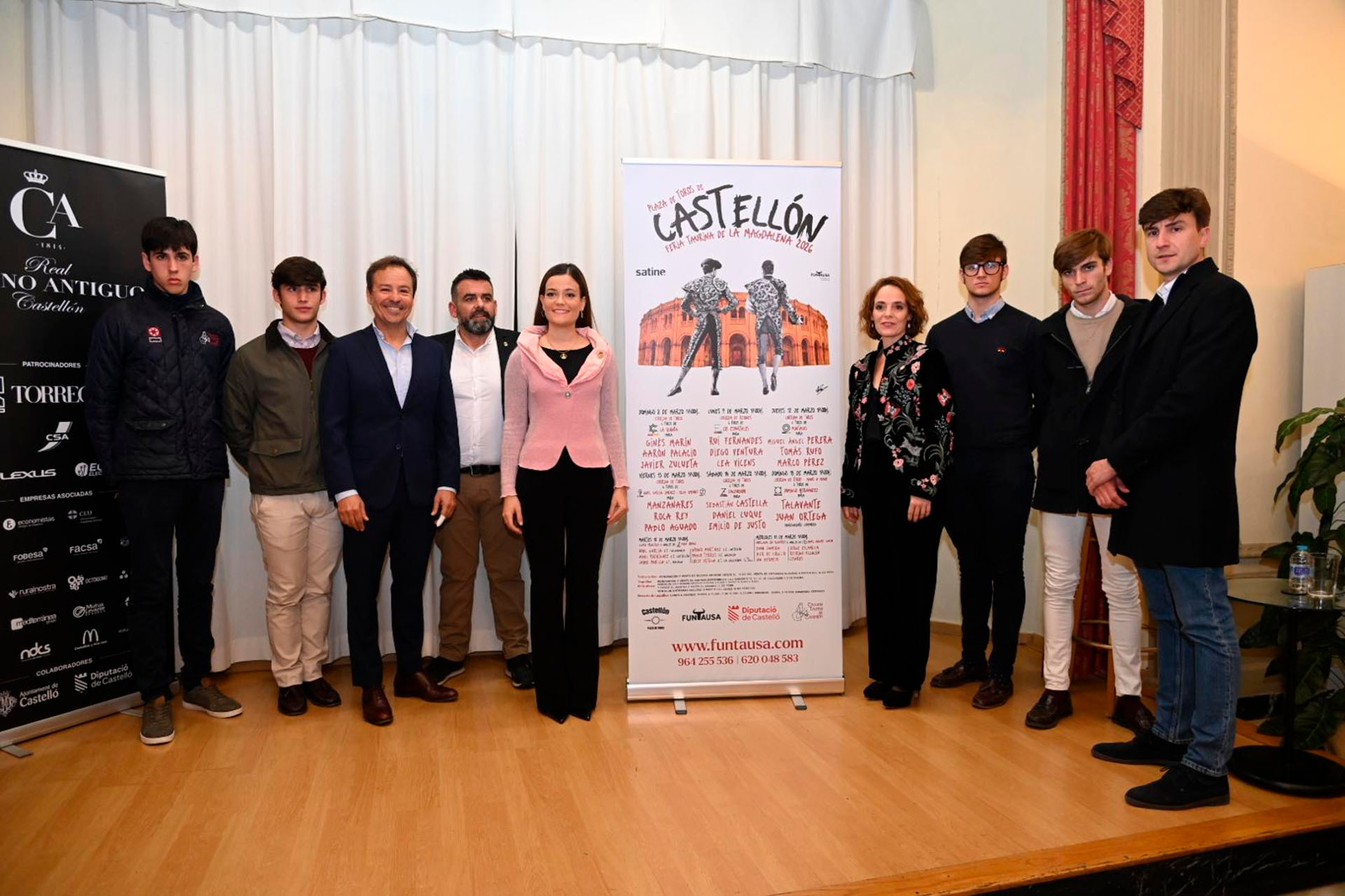
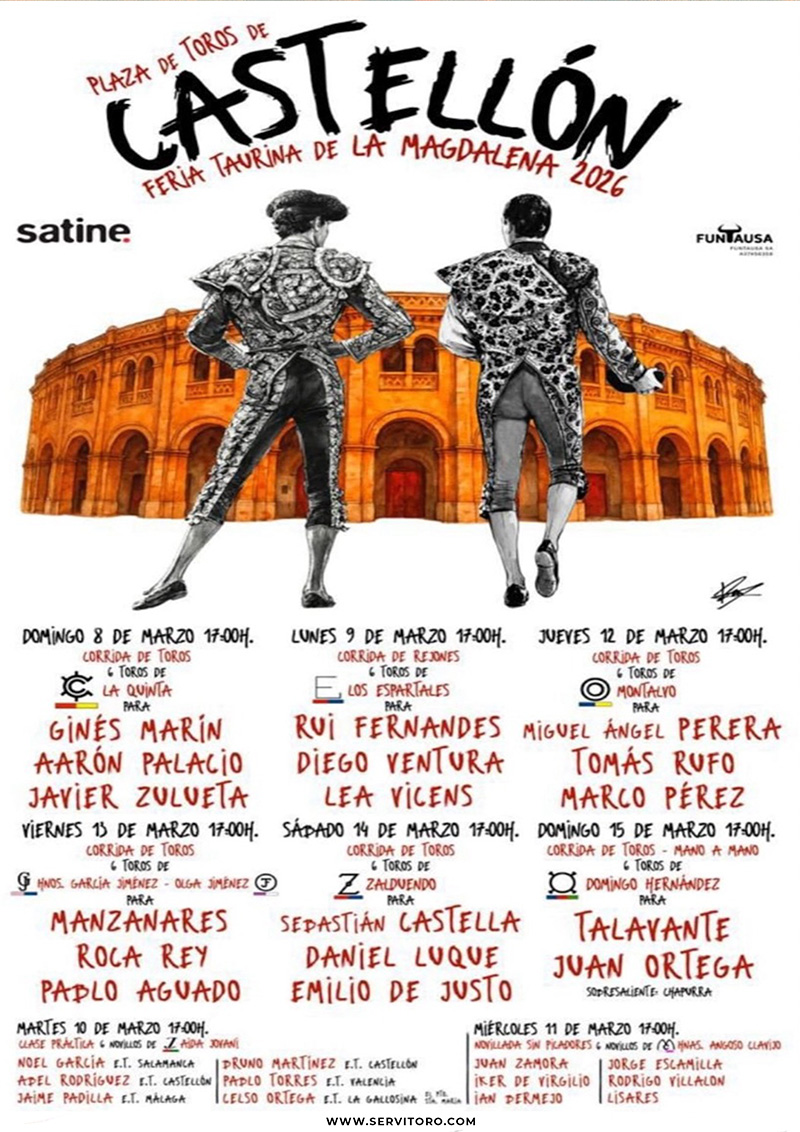
The Magdalena Festival is the most famous celebration in Castellón. Surrounding it is one of the most prestigious bullfighting fairs at the start of each season. In the Plaza de Toros on Avenida Pérez Galdós, both matadors and aficionados shake off their winter slumber and kick off what always promises to be an exciting bullfighting campaign.
But what many people don’t know—even some regular attendees of the festival, including many professionals in the bullfighting world—is the purpose, uniqueness, and most importantly, the variable nature of this celebration. At Servitoro, we’re here to explain why the festival dates change every year and to delve into one of the most deep-rooted festivities, not only in eastern Spain but across the country.
Declared an International Tourist Interest Festival in 2010, the Magdalena Festival lasts for nine days and always begins immediately after the third Saturday of Lent. Because of this, and due to the annual variation in the dates of Lent and Easter, the festival’s dates change each year. Depending on the ecclesiastical calendar, the festival can fall anywhere between mid-February and mid-March.
- Third Saturday in Lent -
Now, why does Easter change dates every year? Because Jesus Christ was crucified on a Good Friday during a full moon, and the liturgical calendar aligns the date of this event with the lunar cycle. As a result, Easter—and therefore Lent—directly affects the dates of Castellón’s Magdalena Festival.
Other cities with bullfighting fairs tied to Easter dates, such as the Easter Fair in Arles or the Pentecost Fairs in Nîmes and Vic-Fezensac, as well as the Corpus Christi celebrations in cities like Toledo and Granada, also adjust their dates based on the timing of Holy Week.
Beyond this curious feature, the Magdalena Festival is unique in commemorating the origins of Castellón de la Plana through a variety of events, with the “romería de les canyes” pilgrimage standing out as one of the most meaningful and significant. These festivities often coincide or overlap with Valencia’s Fallas, thanks to the timing of Lent.
In an upcoming article, we’ll delve deeper into the traditions and peculiarities of one of Spain’s most authentic—and often overlooked—festivals. Because the Magdalena Festival is much more than just a bullfighting fair.
Bullfighting Tickets Booking Castellón
Official box office for bullfighting tickets. Get the best seat by buying your tickets in advance. calendar of shows, prices and seats.